
They Knew. They Fought. And the Ocean Paid the Price
How Lahaina’s wastewater failure became a case study in delay, denial, and diffuse accountability
Let’s just say it plainly: Lahaina’s wastewater problem was not a surprise. It was not a mystery. And it was absolutely not new.
They knew.
For years.
And instead of fixing it, they fought it.
In 2019, Maui County had a chance to end the fight and move forward. The County Council voted 5–4 to settle the Lahaina injection wells lawsuit, a case centered around millions of gallons of treated wastewater being pumped underground and ending up in the ocean anyway.
Four councilmembers voted against settling: Riki Hokama, Alice Lee, Tasha Kama, and Yuki Lei Sugimura.
And then came the real stall. The mayor at the time, Michael Victorino, refused to carry out the settlement. So instead of fixing the system, the county kept fighting all the way to the Supreme Court. Time passed. Money was spent. Nothing meaningful changed.
Lahaina was supposed to have a reclamation system, something that treated wastewater and reused it. What it became instead was a disposal system. Millions of gallons per day were injected into the ground through wells, traveling through porous volcanic rock and eventually reaching the ocean. This wasn’t speculation. It was proven in court. And still, it continued.
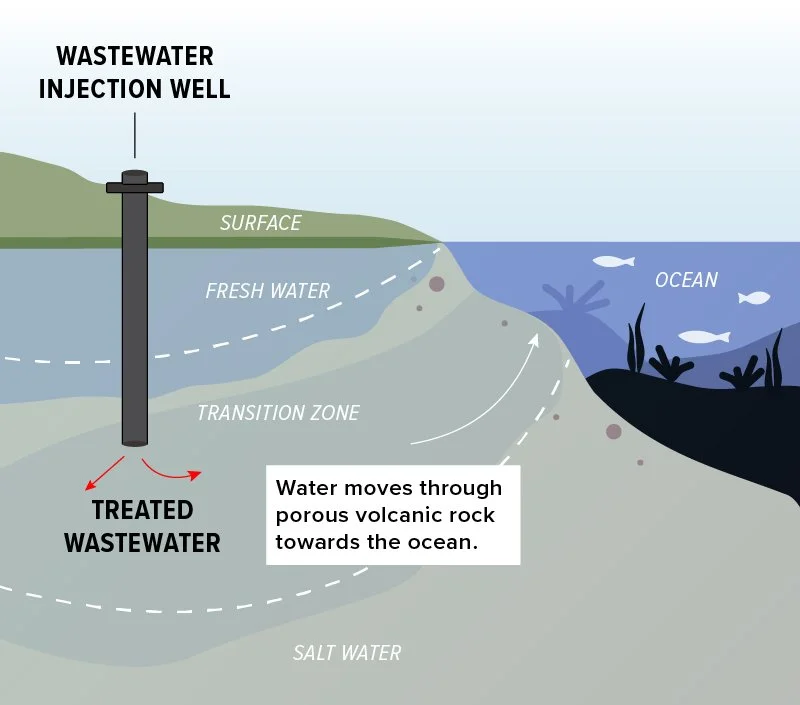
This isn’t just about pipes and permits. It’s about what ends up in the water. The wastewater carries nitrogen, nutrients that fuel algae overgrowth, and compounds that disrupt reef ecosystems. At Kahekili Beach, studies have shown nitrate levels up to 50 times higher than normal, increased algae choking coral reefs, and long-term reef degradation. During COVID, when wastewater volume dropped, water quality improved almost immediately. That tells you everything.
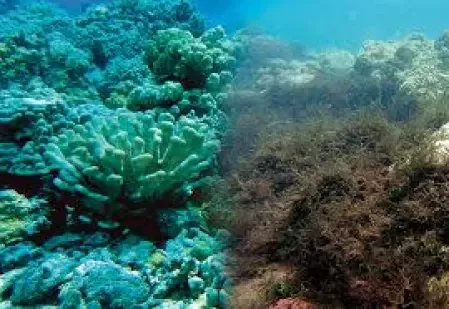
(Left) Kahekili reefs before pollution from Lahaina Reclamation Facility (Right) Coral die off and algae blooms take over Kahekili reefs after pollution from the facility. Source: The Sierra Club
While Maui argued and delayed, other counties acted. On Oʻahu, the Honouliuli facility has been producing high-grade recycled water for decades for irrigation and industry and is now undergoing a massive expansion. Kauaʻi built systems to store and distribute recycled water for practical use. They treated wastewater like a resource. Maui treated it like something to get rid of.
Then came the storm.
In March 2026, a Kona storm hit, and about 200,000 gallons of treated wastewater overflowed at the Lahaina facility. Sewer systems were overwhelmed, and the discharge likely reached the ocean. This wasn’t a freak accident. This is what happens when infrastructure is outdated, storage is limited, and long-term fixes never fully happen. (Source.)
People love to ask, “Where did the money go?”
Here’s the real answer: there was no single, protected fund for Lahaina wastewater. Money came in through property taxes, including timeshares like Westin, small legal settlements, and federal grants. Then it was spread out, reallocated, studied, and delayed. Not stolen, just never concentrated enough to solve the problem.
The real problem is something worse: diffuse accountability. No single person, no single agency, no single moment where someone said, “Fix this. Now.” So it stayed everyone’s responsibility, which meant it became no one’s priority.
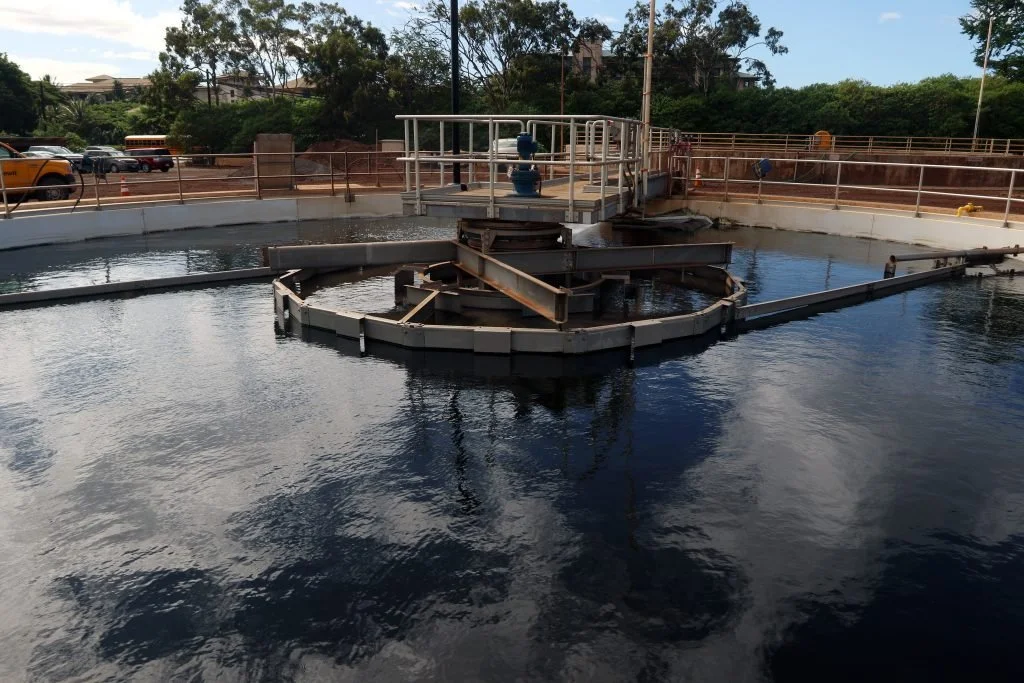
Source: Maui Now
This wasn’t one bad decision. It was a pattern: delay, deny, study, litigate, repeat. And while all of that was happening, the water kept moving from the wells, through the ground, into the ocean.
You can call it bureaucracy. You can call it mismanagement. You can call it politics. But at the end of the day, it’s simple.
They knew where the water was going.
And they let it happen anyway.
— Stephanie Dow, The Glitter Life
Sources:
Supreme Court case
Settlement (fine + $2.5M requirement)
Groundwater → ocean connection (scientific + legal summary)
Reef impact / nutrient pollution (USGS)
Recent overflow (your current event)